AI: Cybersecurity's Ultimate Weapon or its Most Dangerous Vulnerability? The answer is both. 🛡️
The "AI Firewall" is no longer a futuristic concept; it's a rapidly evolving reality fundamentally reshaping our digital defenses. We're witnessing a dual evolution in how organizations are tackling the AI security challenge:
Key Takeaways
- Dedicated AI security solutions like Google VaultGemma and Akamai's Firewall for AI are emerging to protect AI models and applications.
- Cybersecurity giants are integrating AI security features into existing frameworks like XDR and SASE.
- "Shadow AI" and sophisticated AI-powered attacks are significant new threat vectors.
- AI is also a powerful defensive tool, enhancing Security Operations Centers (SOCs) and enabling proactive threat prevention.
- The "human firewall" and robust governance are critical to mitigating AI risks.

Google VaultGemma
An "AI privacy firewall" designed to secure training data, prevent model leakage, and establish truly secure AI architectures. Think end-to-end encryption + AI-driven anomaly detection.
Akamai's Firewall for AI
Specifically crafted to protect generative AI applications and Large Language Models (LLMs) from sophisticated threats like prompt injection, model theft, and data exfiltration. It's inspecting inputs and filtering outputs like never before.
2. AI Integration into Existing Frameworks:
Beyond standalone products, cybersecurity giants are embedding AI security capabilities directly into XDR, SASE, and traditional firewalls. Over $2.0 billion in M&A activity in 18 months underscores the industry's rapid move to secure enterprise AI through model scanning, prompt filtering, and agent sandboxing.
"AI is the new battleground for cybersecurity. The organizations that can harness its power for defense while mitigating its risks will be the ones that thrive in the digital age."
The Double-Edged Sword: AI as a Threat
But here's the stark reality: AI is also a formidable new threat vector.
- Shadow AI: 37% of employees are reportedly using unauthorized generative AI tools, creating massive data leak and compliance risks (hello, GDPR!).
- Sophisticated Attacks: Threat actors are leveraging AI for data poisoning, deepfake impersonation, and hyper-realistic phishing campaigns. No wonder 65% of IT leaders feel their current defenses are outdated. 🚨
AI: Our Most Potent Ally in Defense
Yet, AI is simultaneously our most potent ally. It's revolutionizing defense:
- Enhanced SOCs: Platforms like Stellar Cyber 6.1 equip teams with multi-layer AI for faster investigations, automated phishing triage, and AI-driven case summaries.
- Proactive Defense: Google's "Big Sleep" AI proactively prevented a zero-day vulnerability – a monumental shift towards predictive security.
- Unified Data Security: Microsoft Purview aims to unify data governance for the AI era, critical as 99% of organizations have faced sensitive data exposure via AI tools.
The Human Firewall
The stakes are higher than ever. Regulatory bodies are responding (e.g., CCPA amendments for AI), but the "human firewall" remains paramount. Employee education and robust governance frameworks are non-negotiable.
The future of cybersecurity is inherently AI-driven, and staying ahead means embracing its power while rigorously mitigating its risks. 🧠
Share this article


Recent Posts
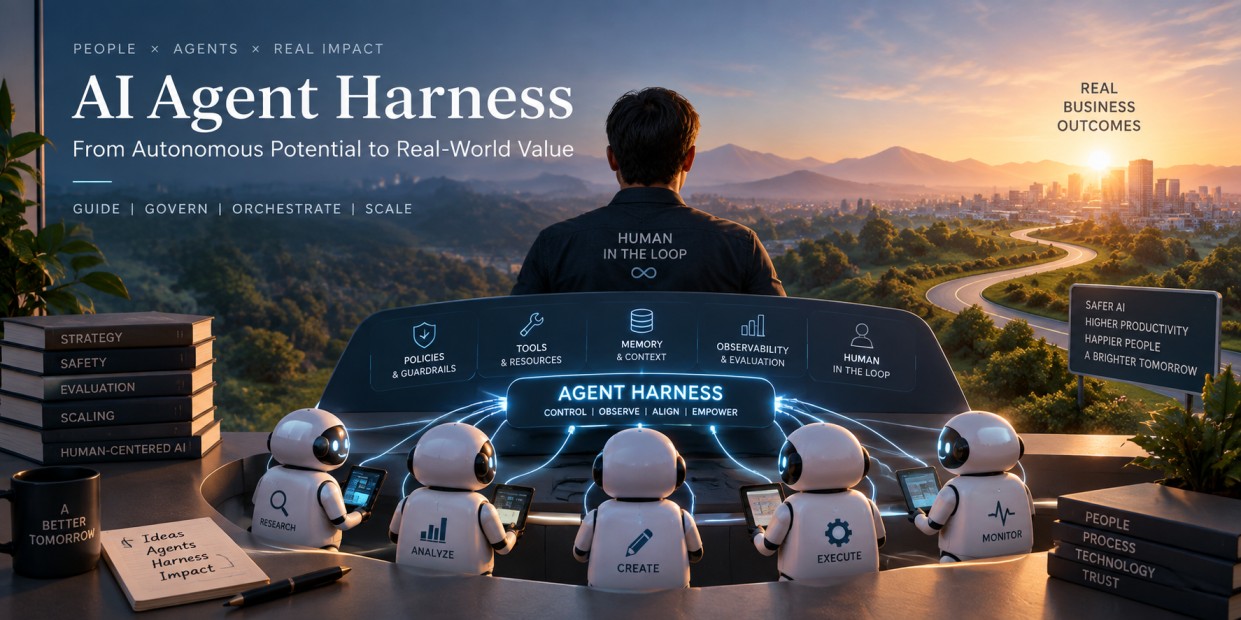
The Agent Harness: The Missing Operating System for Enterprise AI Agents
Why the race to build more AI agents may be creating a new class of enterprise risk—and how a well-designed harness turns probabilistic models into dependable digital workers.
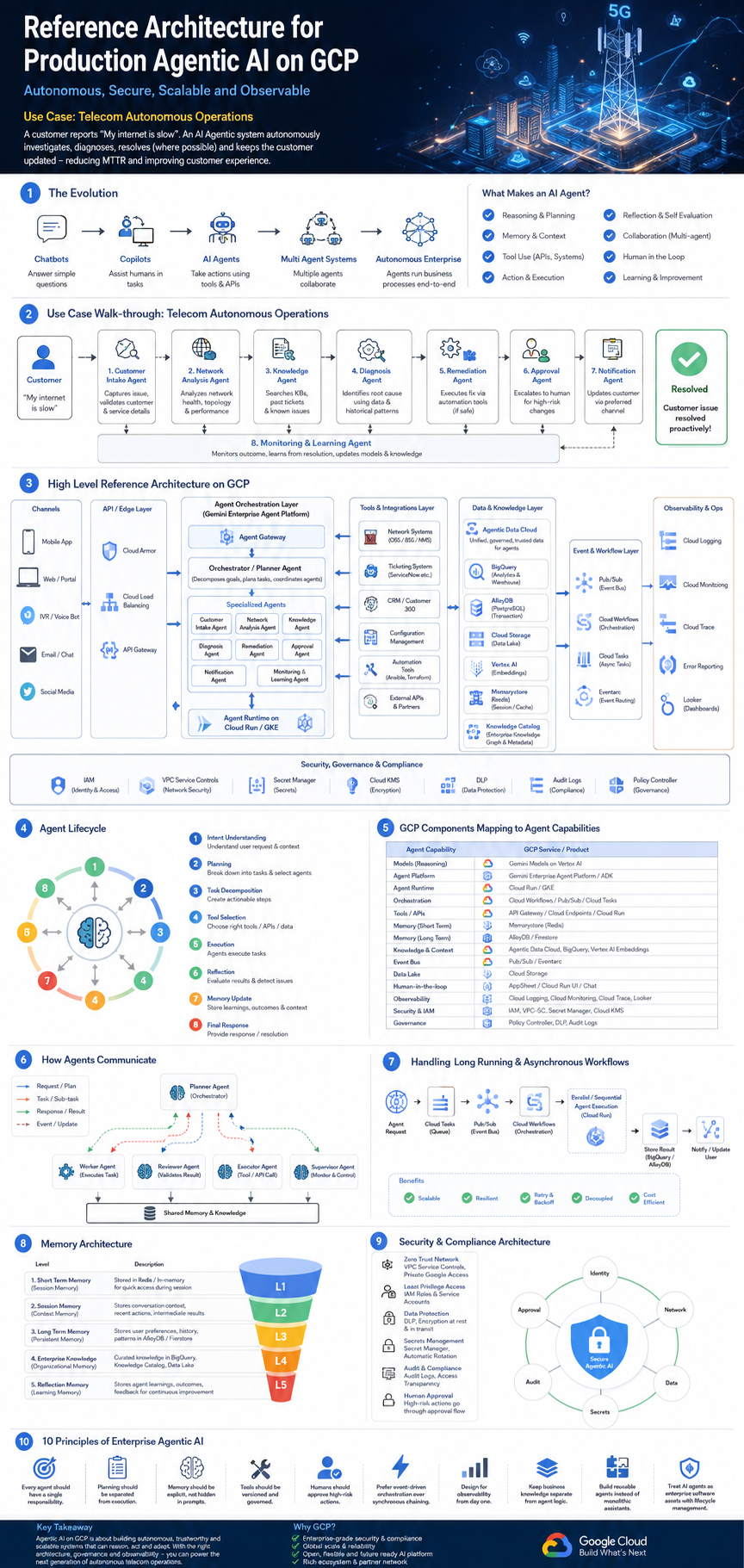
Reference Architecture for Production Agentic AI on Google Cloud
A production-ready reference architecture for building an autonomous telecom operations center with specialized agents, enterprise knowledge, governed execution, and continuous learning on Google Cloud.
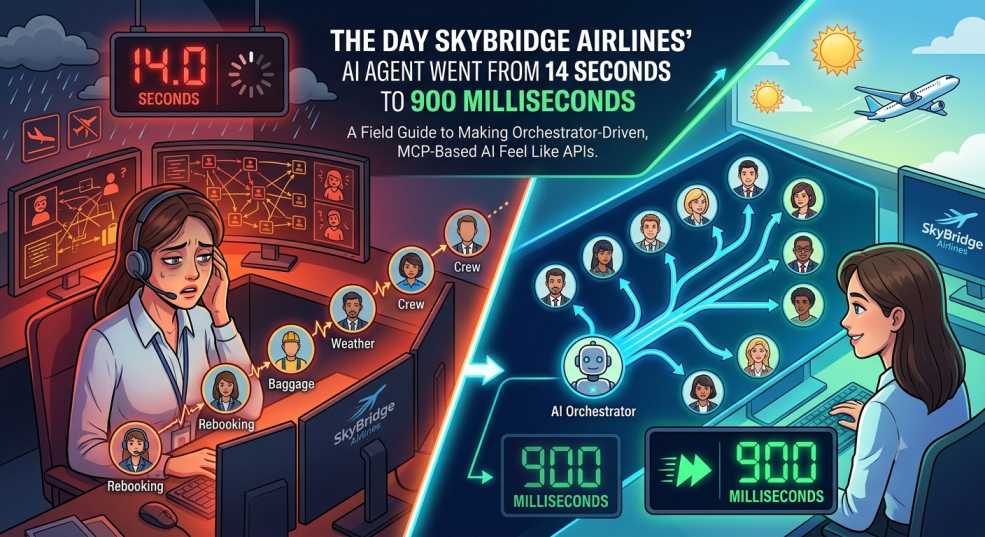
The Day SkyBridge Airlines' AI Agent Went From 14 Seconds to 900 Milliseconds
A field guide to making orchestrator-driven, MCP-based agentic AI systems feel like APIs, not like committees.
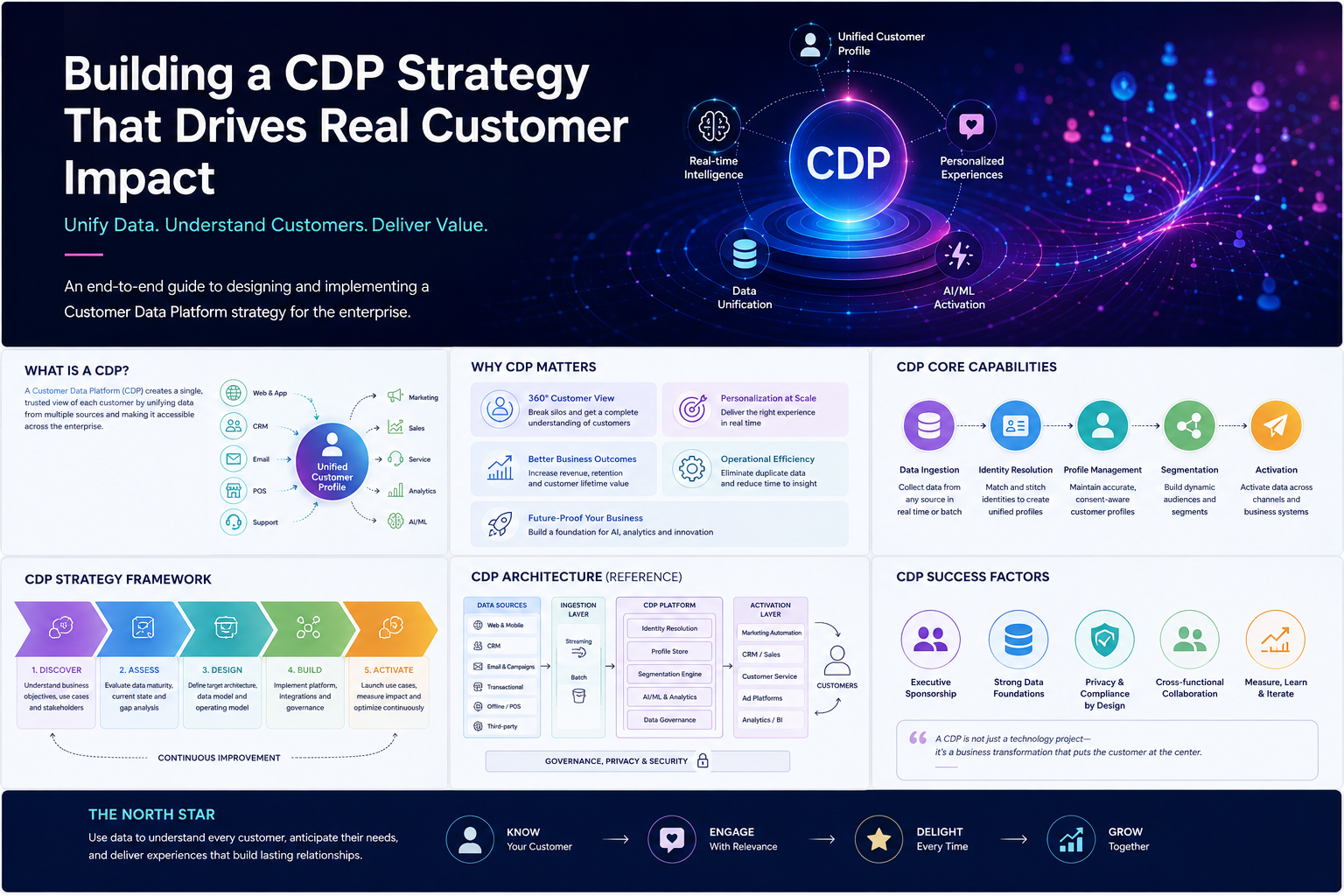
End-to-End Enterprise CDP Strategy Guide
A practical enterprise guide to Customer Data Platform strategy, from identity resolution and data governance to vendor selection, rollout planning, KPIs, and ROI.
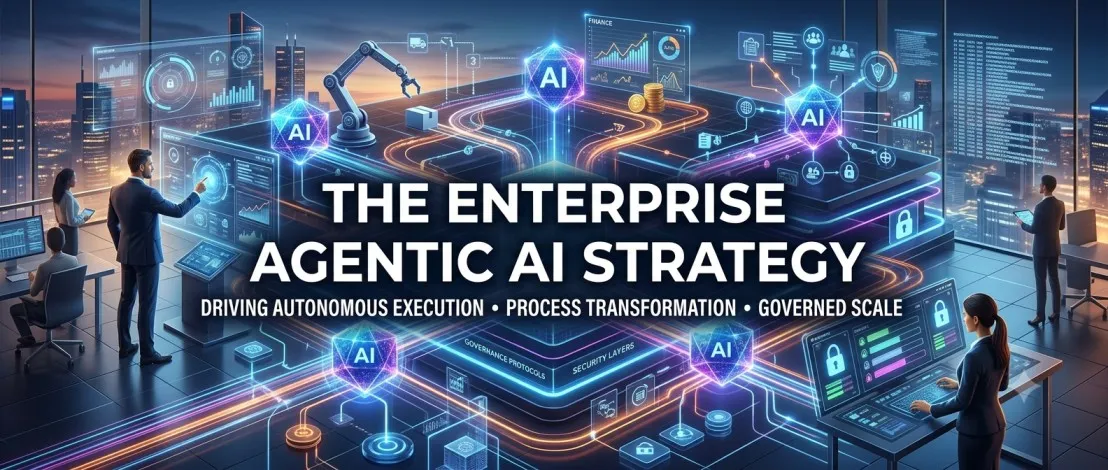
End-to-End Agentic AI Strategy
A complete enterprise strategy for driving autonomous execution, process transformation, governed scale, Zero Trust agent identity, human oversight, and measurable ROI from Agentic AI.
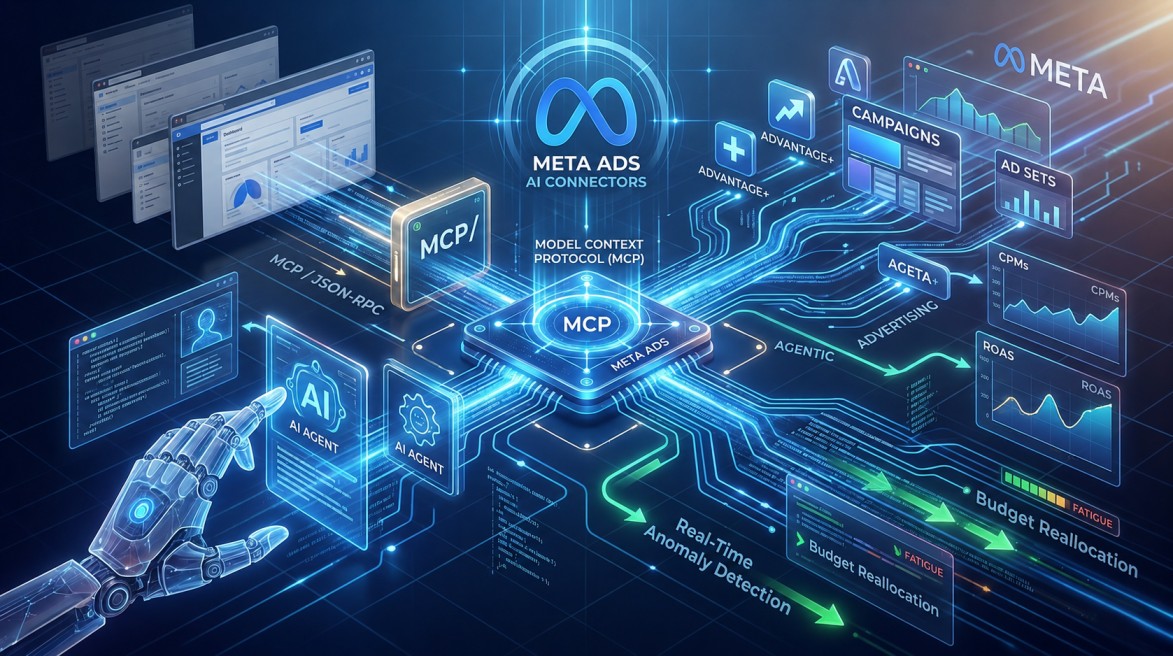
Beyond the Dashboard: How Meta's New MCP Server is Ushering in the Age of Agentic Advertising
Meta Ads AI Connectors mark a shift from dashboard-driven media buying to autonomous agentic advertising, changing how teams monitor, optimize, and govern campaigns.
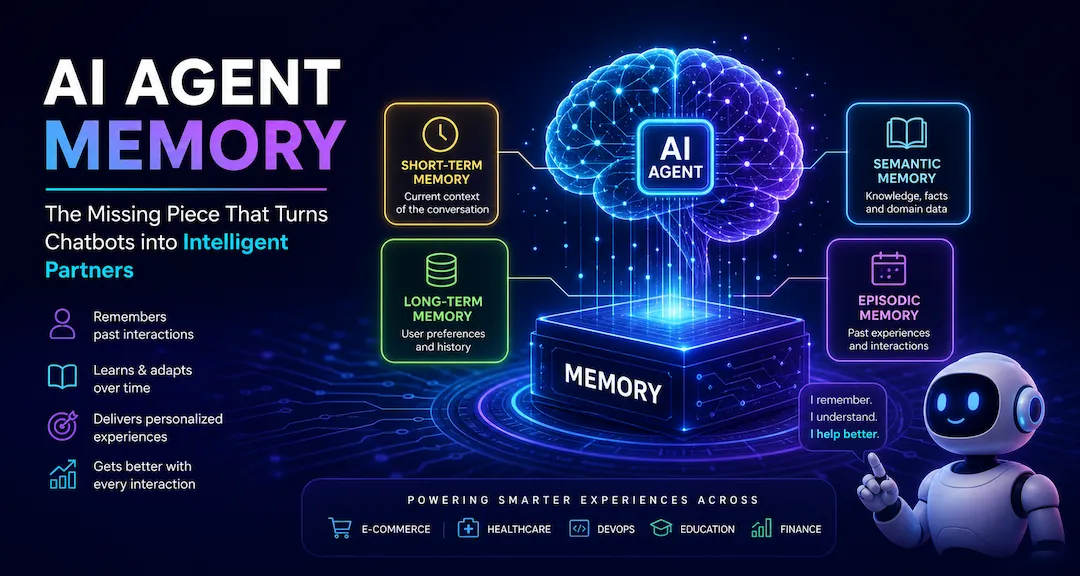
The Memory That Makes AI Agents Truly Intelligent: A Deep Dive into AI Agent Memory
A practical deep dive into AI Agent Memory: the memory stack, long-term memory types, runtime flow, production architecture, security risks, and best practices for building agents that remember.