Generative AI: Creative Partner or Threat to Artists?
Is Generative AI the ultimate creative partner or a silent threat to independent artists? The reality is far more nuanced, and understanding it now is key to thriving in the evolving creator economy. 💡
This isn't just another tech trend; it's a profound reshaping of how artists create, monetize, and secure their livelihoods.
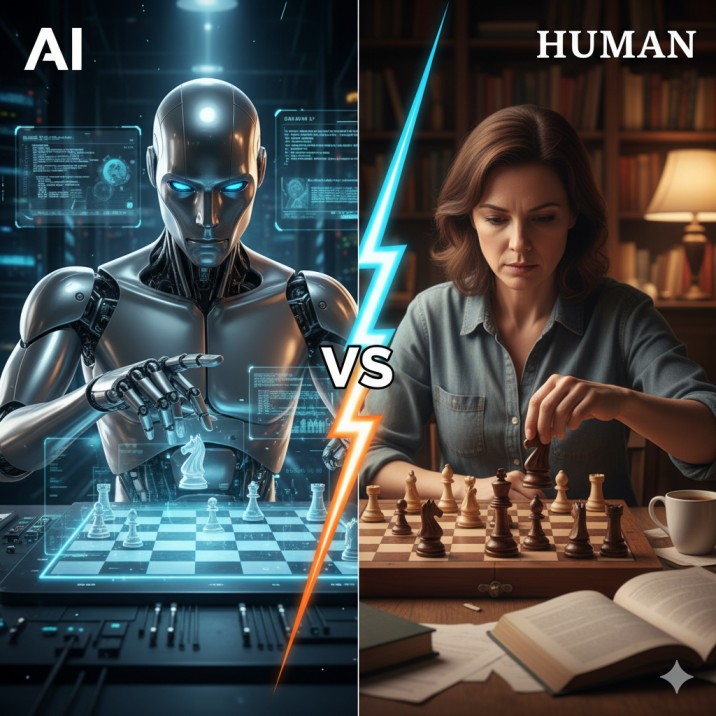
The Golden Opportunities
Many are finding AI to be an indispensable co-pilot. It's revolutionizing:
- Efficiency & Scale: Accelerate content production, optimize workflows, generate endless ideas, and personalize content at scale. Platforms like YouTube are already integrating AI for editing, dubbing, and strategy optimization.
- New Revenue Streams: AI isn't just about faster creation; it's about unlocking entirely new ways to earn:
- Selling unique AI-generated digital art and illustrations.
- Licensing AI content for commercial use in advertising, films, and games.
- Offering custom AI art commissions.
- Monetizing through NFTs of unique AI pieces.
- Even training and licensing your own unique AI models for passive income! 🎨
The Looming Challenges
However, beneath the shiny surface lie substantial threats that demand our immediate attention:
- Income Displacement: Studies warn of significant revenue loss. The "good enough" principle means cheaper, AI-generated alternatives could displace human artists, driving down wages and opportunities across creative sectors.
- Ethical Minefield: Unauthorized use of copyrighted work to train AI models is a major concern, alongside the potential for bias in AI outputs. This isn't just about fairness; it's about artistic integrity, ownership, and the very foundation of creative compensation. ⚖️
What's Next for Creators?
The future isn't AI replacing human creativity, but profoundly augmenting it. Independent artists must embrace a hybrid approach, leveraging AI's power while actively advocating for robust regulatory frameworks that ensure fair compensation, attribution, and protection of intellectual property. Adapt, innovate, and advocate fiercely for your value.
Share this article


Recent Posts

The Agentic Shift: Moving from Chatbots to Digital Coworkers
By 2026, enterprises are moving from AI chatbots that answer questions to digital coworkers that own outcomes across end-to-end workflows.

The Future of Agentic AI in Enterprise Applications
Why the next 3–6 months will define enterprise AI leadership — and how product and technology leaders can prepare for agentic systems that plan, decide, orchestrate, and execute.

Integration Modernization: An Enterprise Strategy for the Connected Enterprise
A Strategic framework for CIOs, CTOs, and enterprise architects to modernize integration, reduce risk, and unlock connected enterprise velocity.

Navigating the Future of AI Agents: MCP vs. A2A vs. ACP vs. ANP
A practical breakdown of the 4 key protocols shaping interoperable AI agents—what they do, where they fit, and how to choose (MCP, A2A, ACP, ANP).

AI 101: Your Gateway to the World of Large Language Models
A practical, non-fluffy guide to AI and Large Language Models (LLMs) for developers, CXOs, and AI leaders—what they are, how they work, when to use which model, and how to get reliable answers.

Google Maps for Your Code: Rescuing Architecture with the C4 Model
How the C4 model turns messy architecture diagrams into a clear, zoomable map of your systems—so teams can align, migrate, and evolve faster.

The Iceberg Beneath Your Code: Understanding Tech Debt in Software Development
Tech debt is the hidden iceberg beneath your codebase—slowing teams, inflating risk, and threatening outages. Here’s how to see it clearly and pay it down strategically.